Office cleaning is one of those things that feels invisible when it’s done well and painfully obvious when it’s not. A dusty reception desk, streaky glass doors, overflowing trash, or a restroom that smells “off” can change how employees feel about coming in and how clients feel
about your business within minutes.
If you’re pricing out a cleaner for the first time (or switching providers), the biggest question is usually the same: what do office cleaning services include? The answer depends on the building, the industry, and the amount of foot traffic, but a detailed office cleaning service always covers the same core areas: restrooms, break rooms, floors, trash, and high-touch surfaces.
What “standard” office cleaning services usually include
Most professional office deep cleaning services are built around a repeatable checklist. That checklist is what keeps the results consistent from week to week, even if different team members rotate in.
A standard plan typically includes:
● Trash removal and replacing liners
● Vacuuming carpets and rugs
● Mopping hard floors (or damp mopping as appropriate)
● Dusting reachable surfaces (desk edges, shelves, window sills)
● Restroom cleaning and sanitizing (toilets, sinks, mirrors, floors)
● Break room cleaning (counters, sinks, appliance exteriors, floors)
● High-touch disinfection (handles, switches, shared touchpoints)
This is the baseline most offices need to stay presentable and hygienic without overpaying for deep-detail work every visit.
Why office cleaning is not the same as “janitorial” for every business
Some companies use “office cleaning,” “commercial cleaning,” and “janitorial” interchangeably, but expectations can vary. The biggest difference is usually frequency and the detail level.
● A light plan (1–2x/week) focuses on keeping the space tidy and sanitary.
● A higher-frequency plan (3–5x/week or daily) focuses on maintaining restrooms, trash, and floors so the office never slips.
● A detailed plan includes periodic tasks such as baseboards, vents, interior glass, and appliance interiors.
Knowing which category you’re in helps you compare quotes fairly.
Office Cleaning Services Checklist (by area)
A good way to understand what you’re paying for is to look at cleaning by zone. Here’s what most office cleaning services include, organized the way many providers build their checklists.
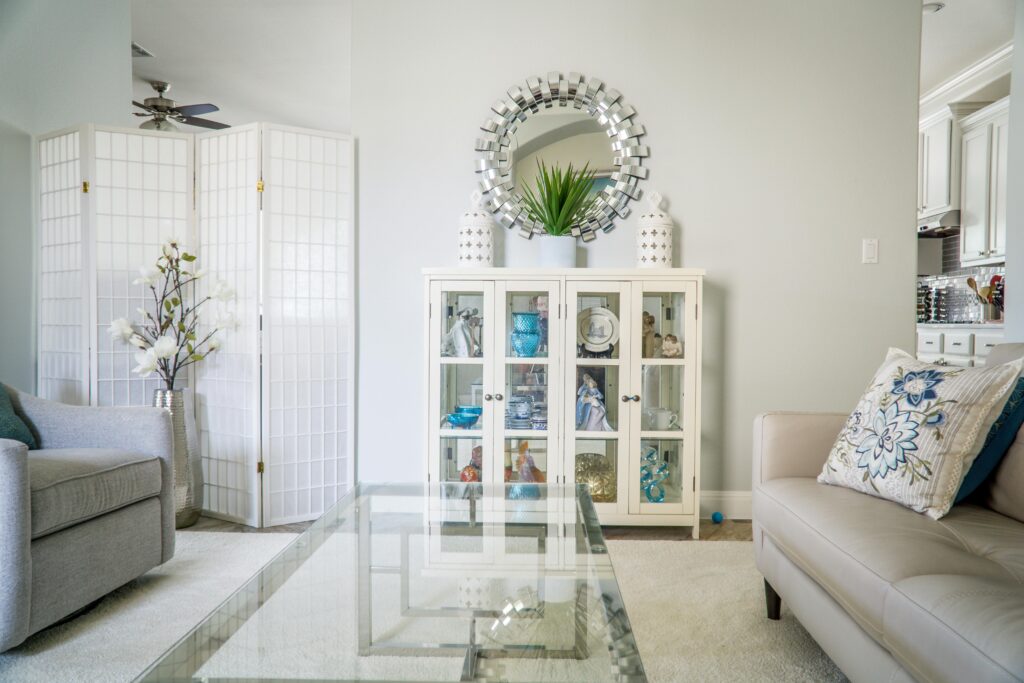
Reception + lobby
This is your first impression area. Even small issues show fast here.
● Empty trash and replace liners
● Dust visible surfaces (front desk, ledges, décor)
● Spot-clean fingerprints on doors and glass
● Vacuum/mop floors and entry mats
● Wipe high-touch points (door handles, light switches)
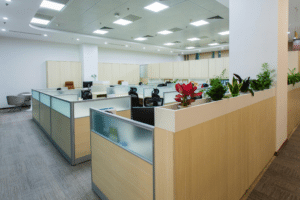
Workstations + private offices
Many offices prefer cleaners not to touch personal desks, which is totally normal. The plan can
still cover the essentials.
● Empty trash and recycling
● Vacuum carpets / mop hard floors
● Dust reachable surfaces (shelves, window sills, desk edges if allowed)
● Spot-clean fingerprints on doors and switches
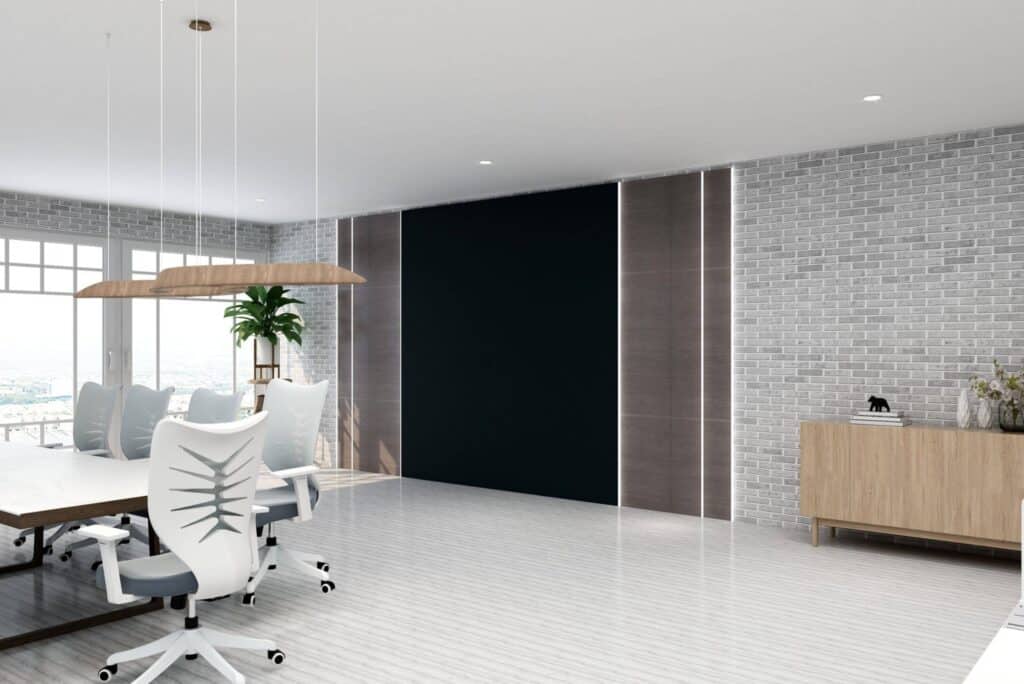
Conference rooms
Conference rooms are high-visibility and often shared by multiple teams.
● Wipe/disinfect table surfaces (as requested)
● Clean fingerprints on glass and doors
● Vacuum/mop floors
● Empty trash
Breakroom/kitchen
This is where odors and bacteria build up quickly.
● Clean and disinfect counters and sinks
● Wipe cabinet fronts (often weekly or as needed)
● Wipe appliance exteriors (fridge, microwave, coffee station)
● Empty trash/recycling and sanitize the bin area
● Mop floors (especially around food/drink zones)
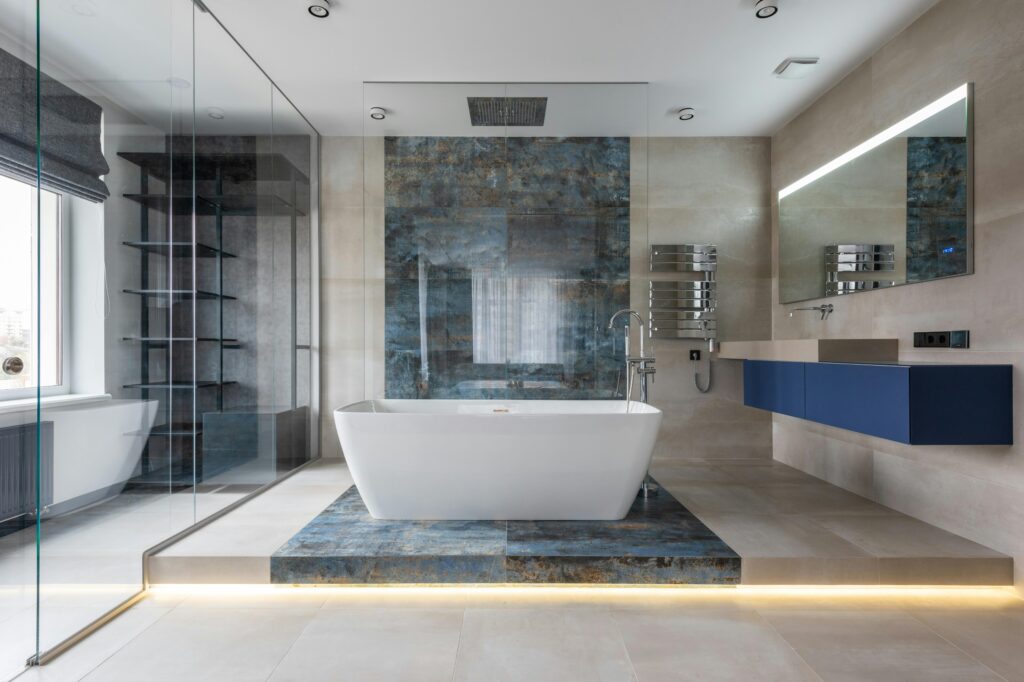
Restrooms
Restrooms are non-negotiable. They should be treated as priority areas.
● Clean and disinfect toilets, urinals, sinks, and counters
● Clean mirrors and chrome fixtures
● Empty trash and sanitize touchpoints (handles, dispensers)
● Mop floors and spot-clean walls/doors
● Refill supplies if included (soap, paper towels, toilet paper)
Hallways + common areas
These spaces connect everything; if they look neglected, the whole office feels less clean.
● Vacuum/mop floors
● Spot-clean touchpoints (railings, door frames)
● Dust ledges and reachable baseboards (frequency varies)
Fast Facts: What makes an office feel “clean” the fastest
● Restrooms + break rooms drive the strongest cleanliness perception.
● Floors show wear quickly in high-traffic offices, especially at entrances.
● High-touch points (handles, switches, shared equipment areas) matter more than people think, especially during cold/flu season.
What’s usually NOT included (unless you ask)
This is where confusion happens. Many businesses assume these are included, but they’re often add-ons or scheduled detail tasks.
Common add-ons:
● Inside the microwave and inside the fridge
● Interior windows and high glass (beyond door glass)
● Baseboards and detailed edge work
● High dusting (vents, tops of cabinets, high ledges)
● Light fixture dusting (especially high fixtures)
● Carpet shampooing or extraction
● Floor stripping/waxing (for certain commercial floors)
● Keyboard/phone sanitation (sometimes included, often optional)
If you want these, the easiest approach is to ask for a “standard + monthly detail rotation” plan.
A simple schedule: How often should office cleaning happen?
The right frequency depends on foot traffic, industry, and how client-facing your space is. Here’s a practical guide.
| Office Type | Typical Cleaning Frequency | Why |
| Small office (low traffic) | 1–2x per week | Keeps restrooms, trash, and floors under control |
| Client-facing office | 2–5x per week | First impressions + restroom upkeep matter more |
| High-traffic workplace | 3–7x per week | Floors and trash build up fast |
| Medical/wellness settings | Higher frequency + more disinfection | More touchpoints and stricter hygiene expectations |
Did You Know?
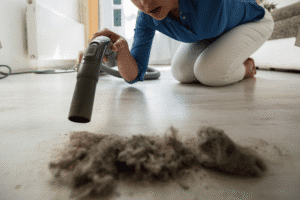
A lot of office “dust” is actually tracked-in debris and tiny fibers from carpet and upholstery. Over time, grit can wear down flooring like sandpaper. Consistent vacuuming and mopping isn’t just about looks; it helps protect the materials you’ve already paid for.
What to ask before hiring office cleaning services
If you want to avoid misunderstandings (and get a quote that actually matches your needs), ask these questions upfront.
1) What’s included in your standard plan?
A strong baseline often includes dusting, trash removal, vacuuming, restroom sanitization, break room cleaning, and surface disinfection.
2) Can you customize the checklist by area?
Ask if you can prioritize certain zones (restrooms, reception, conference rooms) and reduce time in others.
3) Do you offer after-hours or early morning cleaning?
Flexible scheduling helps avoid disruption and keeps your office looking clean during business hours.
4) What’s your quality control process?
Look for checklists, supervisor spot checks, and an easy way to give feedback.
5) What products do you use?
If your team is sensitive to fragrance or you want eco-conscious options, confirm that up front.
What to expect from a great office cleaning service (beyond the checklist)
A checklist matters, but consistency matters more. A great office cleaning service should feel predictable in a good way:
● The office looks the same level of cleanliness every visit
● Restrooms stay stocked and sanitary (if supplies are included)
● Floors don’t slowly “fade” into dullness
● Communication is easy when something needs attention
If you’re constantly noticing missed basics, it’s usually not a “one-off.” It’s a system issue, and the checklist needs to be adjusted, or the provider needs to change.
Ready for a cleaner workplace that stays consistent?
If you’re looking for reliable office cleaning services in the Seacoast Region, NH, Cavani’s Cleaning can build a customized plan for your workplace, whether you need after-hours upkeep, a higher-touchpoint disinfection routine, or a simple weekly reset. Request a free estimate today and get a checklist that fits your office, your schedule, and your standards!