Cleaning can help reduce some of the allergens that collect inside a home, including dust, pet dander, pollen, and mold. It won’t make your home completely allergen-free, but regular cleaning can keep these materials from building up on surfaces, floors, furniture, and fabrics.
The way you clean matters, too. Dry dusting can send particles back into the air, while vacuuming with the right equipment can remove more of what settles into carpets and upholstery. Here’s where common allergens hide and what you can do to keep them under control.
What Causes Allergies Inside Your Home?
Several common household materials can trigger allergy symptoms. Dust mites, pet dander, pollen, mold, and dust can collect throughout the home, especially in places that aren’t cleaned regularly.
Dust mites are often found in bedding, mattresses, carpets, and upholstered furniture. They can be difficult to spot because they’re microscopic, but their waste particles can become part of household dust.
Pet dander can settle on floors, furniture, bedding, curtains, and other soft surfaces. Pollen can also get indoors on shoes, clothing, and pets after spending time outside.
Mold is another concern, especially in moist areas. Bathrooms, laundry rooms, kitchens, basements, and areas around leaks can provide conditions where mold grows.
Regular cleaning helps remove some of these materials before they accumulate. Keeping moisture under control is also important, since cleaning a damp area won’t solve the problem if the moisture source remains.
How to Check for Allergens in Your Home
Allergens aren’t always easy to see. Instead of only looking for visible dust, check the places where dust, dander, pollen, and moisture tend to collect.
Soft Surfaces
Carpets, rugs, curtains, mattresses, sofas, and upholstered chairs can hold onto dust and pet dander. These materials can collect particles even when they look clean.
Check areas under cushions, along carpet edges, beneath furniture, and around the seams of upholstered pieces. Wash removable fabrics according to their care instructions and vacuum carpets and furniture regularly.
For carpets and upholstery with heavy buildup, professional cleaning can help remove material that a regular vacuum may leave behind.
Hard-to-Reach Areas
Dust tends to settle in places that aren’t part of a normal cleaning routine. Ceiling fans, air vents, baseboards, window tracks, cabinet tops, areas behind furniture, and spaces under beds can all collect dust.
Use a microfiber cloth or vacuum attachment to reach these areas. Work from higher surfaces down to remove particles that fall during cleaning.
High-Moisture Areas
Check bathrooms, kitchens, laundry rooms, basements, and areas around plumbing for signs of excess moisture.
Look for condensation, damp spots, water stains, musty odors, or visible mold. If there’s a leak or another moisture problem, cleaning the surface won’t fix the source. You also need to address the moisture.
Large areas of mold or recurring mold growth may require professional assessment or remediation rather than routine house cleaning.
Cleaning Habits That Help Reduce Allergens
Small changes to your regular cleaning routine can help keep allergens from accumulating throughout the house. The most useful habits focus on removing dust, managing soft surfaces, bedding, clutter, and moisture.
Dust the Right Way
Dry dusting can push particles into the air instead of removing them. A slightly damp microfiber cloth can trap dust more effectively.
Start with higher surfaces and work downward. Dust ceiling fans, shelves, furniture, and other elevated surfaces before cleaning the floor. This prevents dust that falls during cleaning from settling on an area you’ve already finished.
Vacuum with the Right Equipment
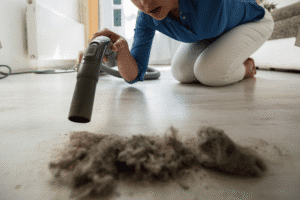
Vacuuming removes dust, pet hair, pollen, and other particles that settle into floors and fabrics. A vacuum with a HEPA filter can help capture smaller particles instead of sending them back into the room.
Move slowly across carpets and rugs, paying attention to edges and areas underneath furniture. Vacuum upholstered furniture when the manufacturer’s care instructions allow it, and keep the vacuum filter, bag, or dust container maintained according to the manufacturer’s instructions.
Wash Bedding Frequently
Bedding can collect dust, skin flakes, pet dander, and other particles. Wash sheets and pillowcases regularly according to their care instructions, and wash blankets and other bedding as recommended for the material.
Mattress and pillow covers can also help limit dust buildup and dust mite allergens. Vacuum the mattress when appropriate, following the manufacturer’s care instructions, and pay attention to seams and edges.
Reduce Clutter
Extra objects give dust more places to settle. Books, decorative items, baskets, piles of clothing, and other belongings can make surfaces harder to clean.
Keeping frequently used areas less cluttered makes it easier to dust and vacuum regularly. Store infrequently used items in closed containers when possible.
Control Indoor Humidity
Moisture can contribute to mold growth and create conditions where dust mites thrive. Use bathroom exhaust fans while showering, run kitchen ventilation when cooking, repair leaks, and use a dehumidifier if needed.
A hygrometer can help you keep track of indoor humidity. If you repeatedly have condensation or damp areas, fixing the source is more useful than repeatedly cleaning the affected surface.
Room-by-Room Allergy Cleaning Checklist
Different areas of the home collect different types of allergens. A room-by-room routine makes it easier to keep up with the surfaces that need regular attention.
Bedroom
The bedroom deserves extra attention because you spend several hours there each night. Focus on bedding, mattresses, carpets, curtains, and other fabrics that can collect dust and dander.
- Wash sheets and pillowcases regularly.
- Clean blankets and comforters according to their care instructions.
- Vacuum carpets and rugs.
- Dust nightstands, dressers, shelves, and lamps.
- Vacuum the mattress when appropriate.
- Clean underneath the bed.
- Wash curtains or clean them according to their care instructions.
- Keep pet bedding clean if pets sleep in the room.
Living Room
Living rooms often contain several soft surfaces where dust and pet dander can accumulate. Sofas, rugs, curtains, and decorative items all need regular attention.
- Vacuum carpets and rugs.
- Vacuum sofas and upholstered chairs when appropriate.
- Dust tables, shelves, lamps, and décor.
- Clean underneath and behind furniture.
- Wash or clean curtains as recommended.
- Dust ceiling fans and air vents.
- Clean pet beds and blankets.
- Reduce unnecessary items that collect dust.
Kitchen
The kitchen may not be the first room you think of when it comes to allergens, but dust and mold can still become problems when crumbs, moisture, or leaks go unattended.
- Wipe countertops and cabinet surfaces.
- Clean around the sink and faucet.
- Check under the sink for leaks or dampness.
- Empty trash regularly.
- Clean refrigerator seals and check for spills.
- Clean exhaust fans and filters according to the manufacturer’s instructions.
- Wipe dust from the tops of cabinets and appliances.
- Clean floors regularly.
Bathroom
Bathrooms need consistent cleaning because moisture can create conditions for mold growth. Pay attention to areas that stay damp after showers and around plumbing fixtures.
- Clean and disinfect the toilet.
- Scrub the shower and bathtub.
- Clean grout and other areas where buildup collects.
- Wipe sinks and countertops.
- Clean exhaust fan covers.
- Wash or replace shower curtains and liners as needed.
- Check around plumbing for leaks or damp spots.
- Keep the room ventilated during and after showers.
Entryways
Pollen, dirt, and other outdoor particles can enter through doors and settle on floors and mats. Keeping this area clean can help limit what gets carried into the rest of the house.
- Vacuum or shake out entry mats regularly.
- Sweep and mop hard floors.
- Wipe down the inside of the front door.
- Clean around door frames and baseboards.
- Remove shoes before walking through the home when practical.
- Wash pet paws after outdoor walks when needed.
- Keep coats and bags from piling up near the entrance.
Carpets, Rugs, and Upholstery Need Extra Attention
Soft surfaces can hold onto dust, pollen, and pet dander much longer than hard floors. Vacuuming regularly helps, but particles can settle deeper into carpet fibers and upholstery over time.
Move furniture occasionally so you can clean underneath it. Pay attention to carpet edges, stairs, area rugs, and upholstered furniture where dust can accumulate.
If carpets or furniture have heavy buildup, professional cleaning can provide a deeper clean than routine vacuuming. How often you need this depends on foot traffic, pets, children, and how quickly dust and dirt accumulate in the home.
How Often Should You Clean to Help Reduce Allergens?
No single cleaning schedule works for every household. Homes with pets, children, carpets, or high foot traffic may need more frequent cleaning than homes with fewer occupants and mostly hard flooring.
The table below provides a practical starting point based on how quickly different surfaces tend to collect dust, dander, and other particles.
| Area | Recommended Frequency | Why It Matters |
|---|---|---|
| Bedding | Weekly | Removes dust, skin flakes, and other particles that collect during sleep. |
| Carpets and rugs | 1 to 2 times per week | Helps remove dust, pollen, and pet dander from fibers. |
| Upholstered furniture | Weekly | Prevents dust and dander from building up in fabric. |
| Hard floors | Several times per week | Picks up dust, pollen, and particles brought in from outside. |
| Dust-prone surfaces | Weekly | Keeps settled dust from accumulating. |
| Air vents | Every 3 to 6 months | Removes dust that can collect around vents and grilles. |
| Curtains | Every few months | Helps remove dust and other particles from fabric. |
| Under furniture | Monthly | Removes dust from easy-to-overlook areas. |
| Entry mats | Weekly | Removes pollen, dirt, and other particles tracked indoors. |
| Deep carpet cleaning | Every 6 to 12 months | Helps remove deeper buildup that regular vacuuming may leave behind. |
You can adjust these timeframes based on your household. Homes with pets, allergy-sensitive occupants, or heavy foot traffic may benefit from more frequent cleaning.
Common Allergy Cleaning Mistakes
A home can look clean while dust, dander, and other allergens continue to collect in less noticeable places. Some cleaning habits can also make it harder to remove these particles effectively. Knowing what to avoid can make your regular cleaning routine more effective.
Dry Dusting
Dry dusting often moves dust from one surface to another instead of actually removing it. The particles can also become airborne and settle elsewhere in the room.
A damp microfiber cloth helps capture dust rather than simply pushing it around. Start with higher surfaces, such as shelves and ceiling fans, then work downward so you can clean up anything that falls from the floor afterward.
Using the Same Dirty Cloth Everywhere
A cleaning cloth collects dust, dirt, and other debris as you use it. Using the same cloth across multiple surfaces can spread that buildup instead of removing it.
Use a clean section of the cloth as you move between areas, and switch to a fresh cloth when it becomes visibly dirty. Wash reusable microfiber cloths regularly so they’re ready for the next cleaning.
Ignoring the Vacuum
A vacuum that isn’t properly maintained may lose suction or fail to capture particles as effectively. A full dust container, clogged filter, or worn filter can all affect how well the machine works.
Check your vacuum according to the manufacturer’s maintenance instructions. Empty the dust container or replace the bag when needed, and clean or replace filters at the recommended intervals. This also helps keep the vacuum from putting collected dust back into the room.
Forgetting Areas You Don’t Clean Often
Carpets and hard floors aren’t the only places where allergens collect. Sofas, rugs, mattresses, curtains, and upholstered chairs can trap dust, pollen, and pet dander, especially in areas you may forget to clean regularly.
Pay attention to spots such as underneath cushions, along rug edges, behind furniture, and around mattress seams. Vacuum these areas regularly when the care instructions allow, and wash removable fabrics as recommended.
Cleaning Around a Moisture Problem
Mold and mildew can keep returning if you don’t address the moisture causing them. Wiping the affected area may remove what you can see, but it won’t solve a leak, condensation problem, or other source of excess moisture.
Look for damp spots, water stains, condensation, or musty odors around bathrooms, kitchens, laundry areas, and plumbing. Fix leaks and improve ventilation where possible. Larger or recurring mold problems may require professional remediation rather than routine cleaning.
Using Strong Scents to Cover Odors
A strong fragrance can make a room smell different without removing the odor source. Musty smells, for example, can come from damp fabrics, excess moisture, mold, or areas that haven’t been cleaned properly.
Instead of relying on air fresheners to cover the smell, look for the source. Check carpets, upholstery, trash cans, bathrooms, laundry areas, and other places where moisture or buildup may be present. Removing the source leaves the space cleaner instead of simply adding another scent.
Breathe Easier with Cavani’s Cleaning
Keeping allergens under control takes more than wiping down the surfaces you can easily see. Dust can settle under furniture, dander can collect in upholstery, and moisture can create problems in areas that don’t get much attention.
Cavani’s Cleaning provides services that cover everyday areas of your home, as well as the places that are easier to overlook. Regular house cleaning can help keep dust, dirt, and other common household allergens from building up between cleanings.